

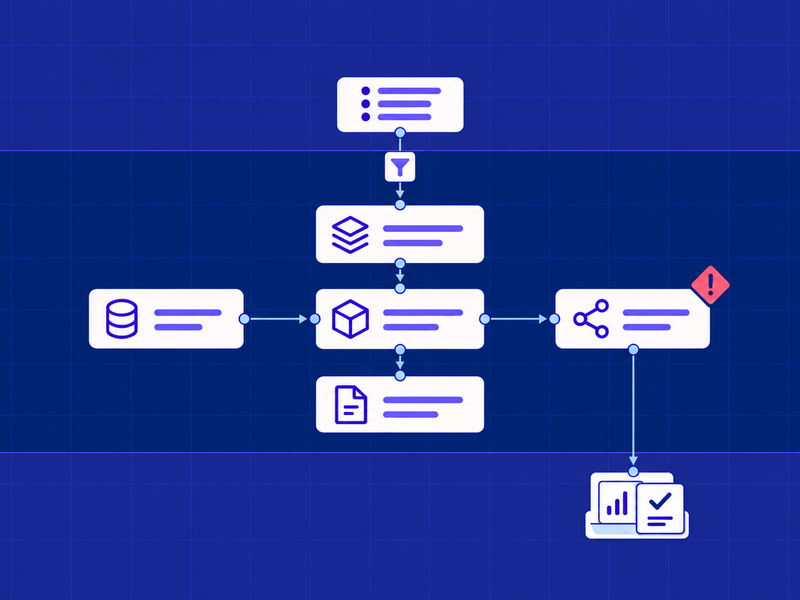
The PRO Framework: From Documentation to Due Diligence
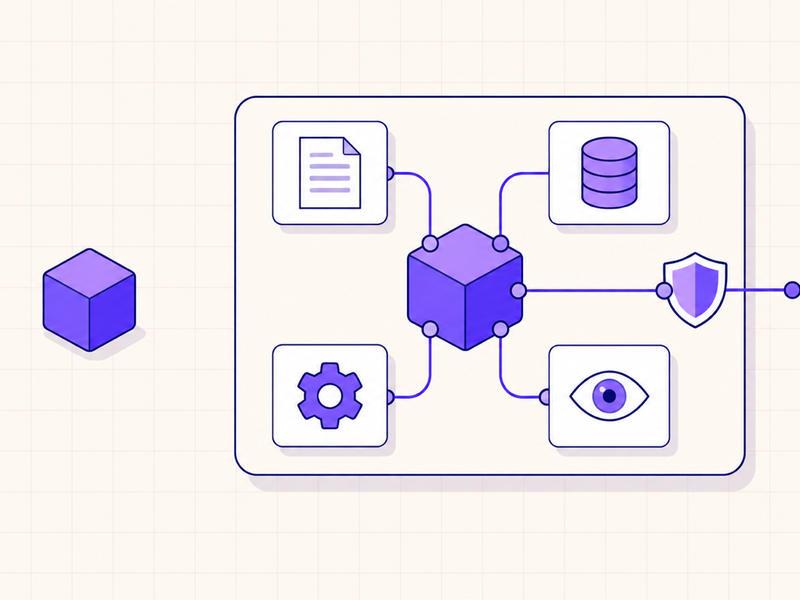
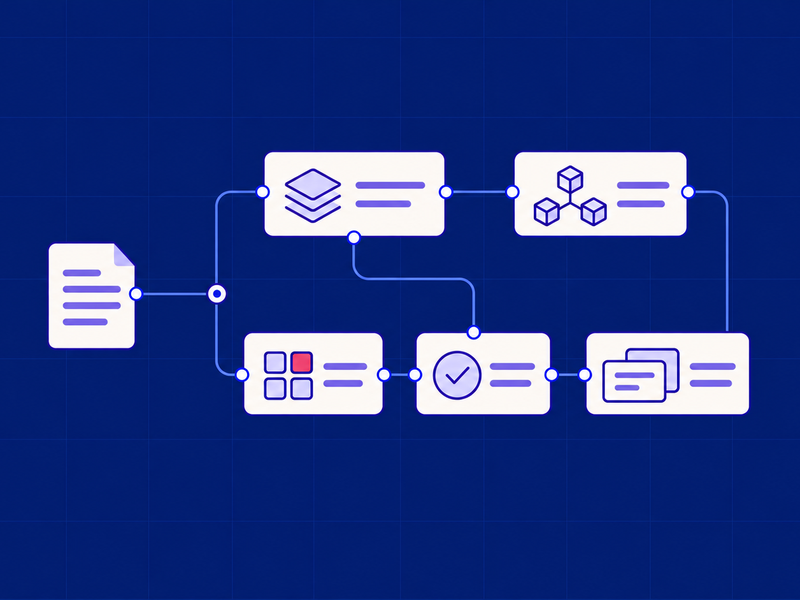
The CORE framework captures AI system architecture as a blueprint, while PRO adds policies, risk analysis, and outcomes that support due diligence.
Read article
The CORE framework captures AI system architecture as a blueprint, while PRO adds policies, risk analysis, and outcomes that support due diligence.
Read articleResources and further reading for applying the technical concepts introduced in the AI Technology for Lawyers series.
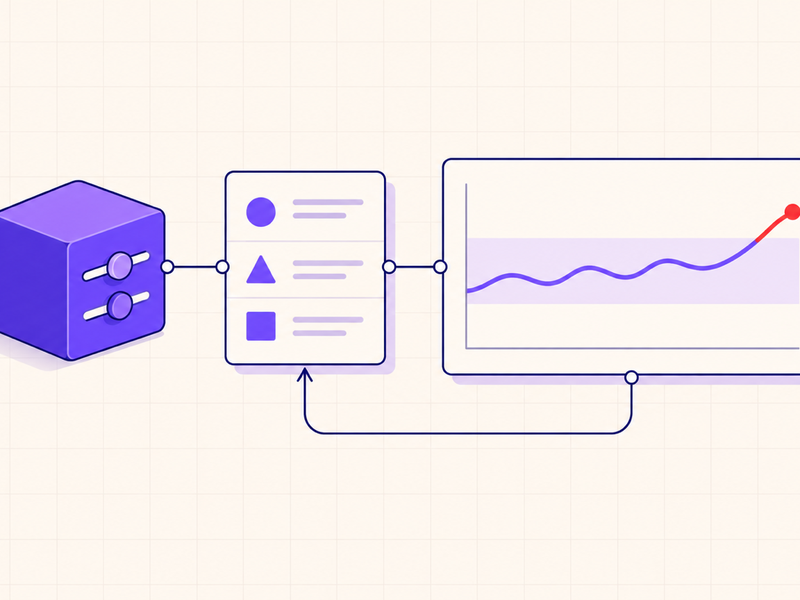
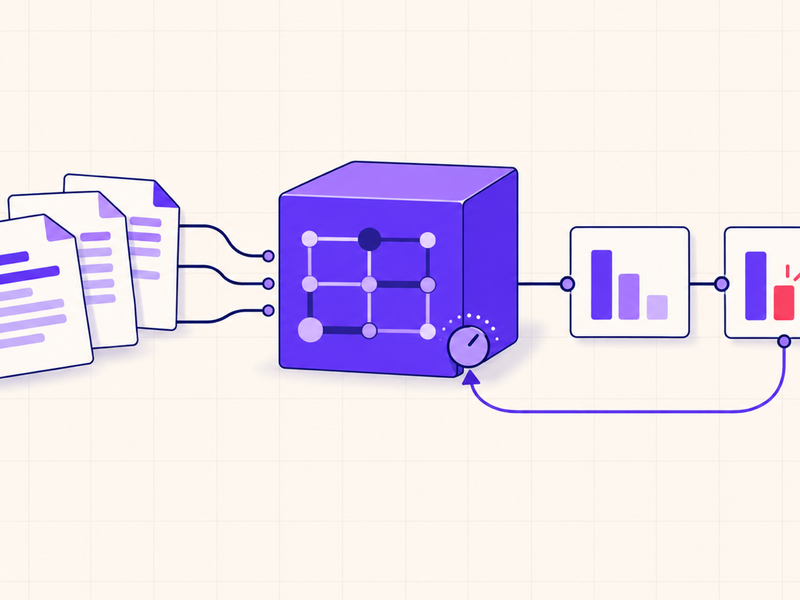
Read articleAlignment, evaluation, explainability, and drift determine how AI systems are tested, monitored, and governed over time.
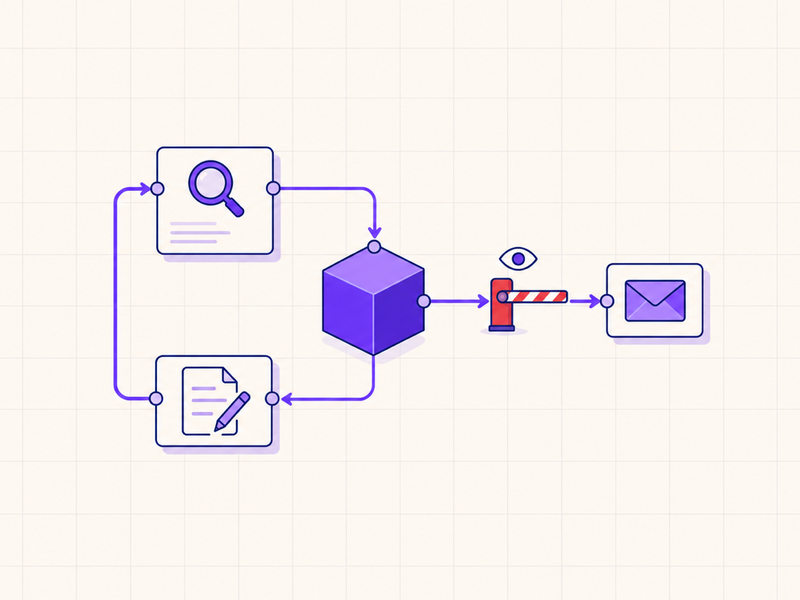
Read articleAgentic AI moves from generating outputs to taking actions, changing the authorization, liability, and security questions organizations must answer.
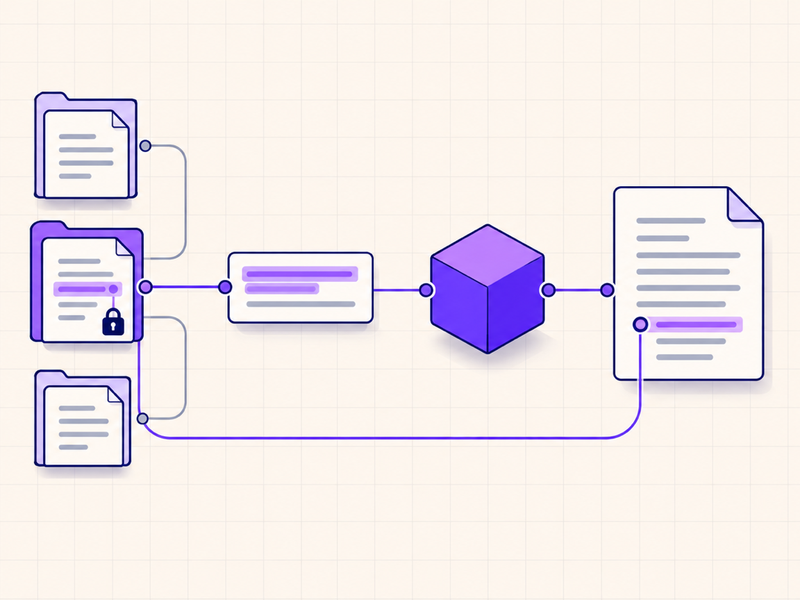
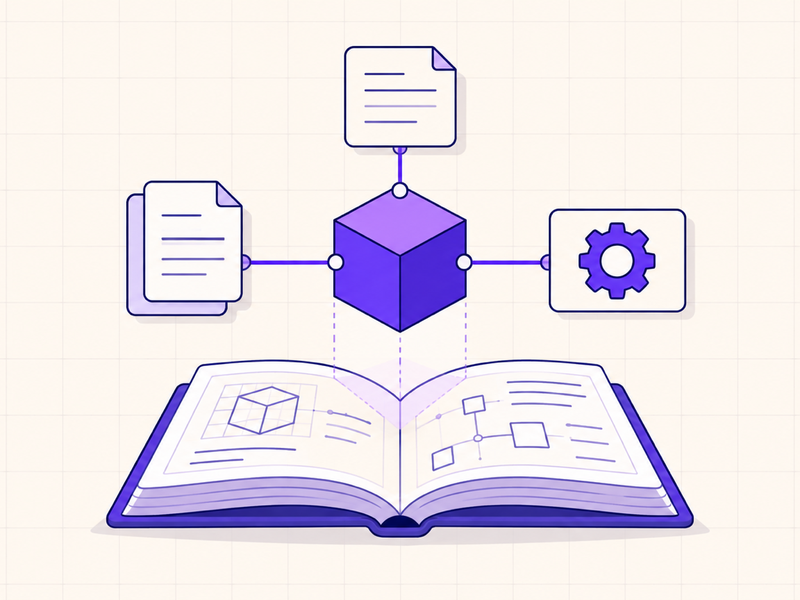
Read articleRetrieval-augmented generation connects AI models to external documents, improving grounding while introducing its own legal and governance considerations.
Read articleWhen lawyers discuss AI, they often conflate the model with the deployed system, creating analytical errors.
Read articleTokens are the units that models actually process, shaping AI costs, context limits, and inference behavior.
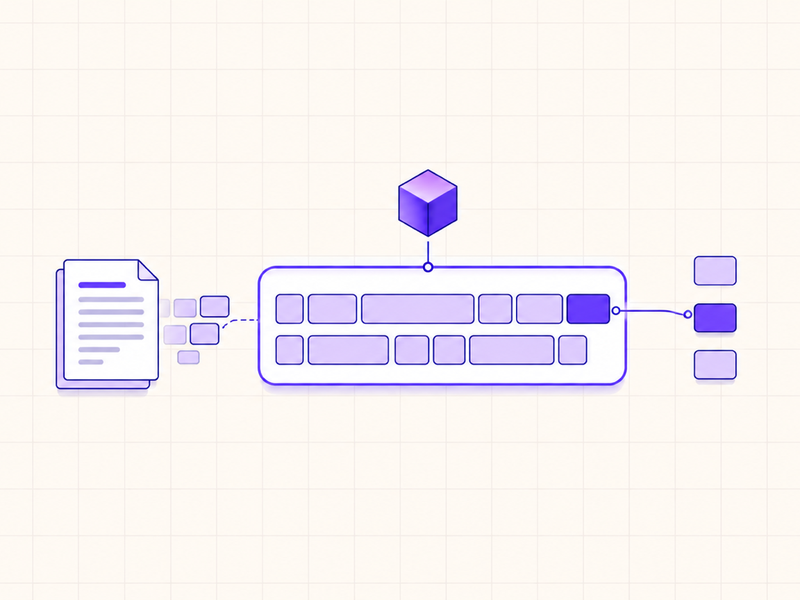
Read articleHow AI models learn patterns through transformers, training, fine-tuning, and inference—and what those distinctions mean for legal analysis.
Read articleThe term “artificial intelligence” encompasses a broad range of technologies, and imprecise usage creates confusion.
Read articleUnderstanding AI technology is no longer optional for lawyers.
Read articleWhy effective AI governance must address intellectual property, contractual, liability, data, safety, and operational risks beyond regulatory categories.
Read article