



This series introduced the technical concepts that inform legal analysis of AI systems. The resources below bring together the glossary, the complete guide, and selected further reading for continued reference.
Series Resources
- AI Terminology Glossary — Definitions for over 200 terms, covering the vocabulary used throughout the series.
- Download the Complete Guide (PDF) — A downloadable copy of AI Technology for Lawyers: A Technical Foundation for offline reading and reference.
- Browse the Series — Return to the introduction for the six principles for legal analysis and links to all seven articles.
Selected Further Reading
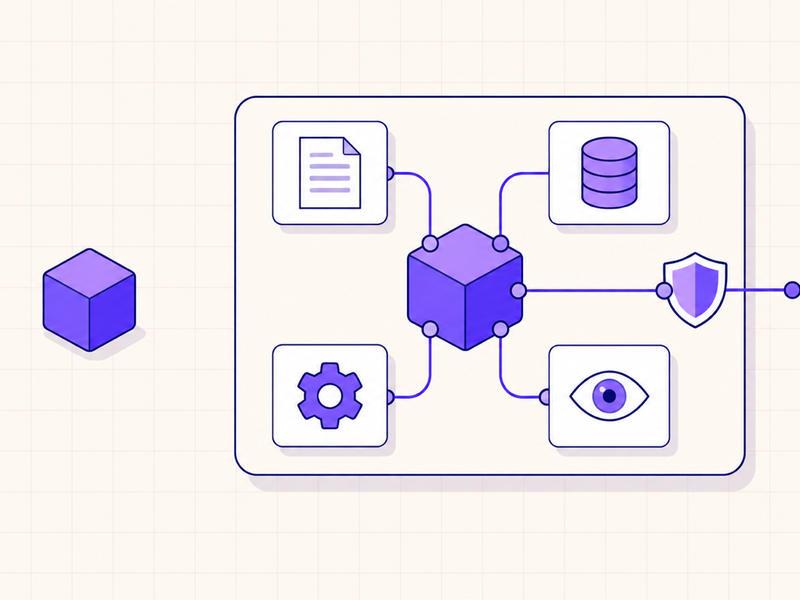
The CORE Framework — A structured approach to examining an AI system through its Components, Operations, Resources, and Execution. Useful when moving from general technical understanding to reviewing a specific deployment.
Model Monster Risk Registry — An index of AI risks to consult when reviewing a system. Use it alongside the series to explore risks relevant to the technologies and architectures discussed.
NIST AI Risk Management Framework — A voluntary framework for incorporating trustworthiness into the design, development, use, and evaluation of AI systems. A useful starting point for organizing an AI risk management program.
OWASP Top 10 for Large Language Model Applications — A reference covering security risks such as prompt injection, sensitive information disclosure, and excessive agency, with guidance on mitigations. Useful when discussing technical controls with vendors and engineering teams.
The Lethal Trifecta for AI Agents — Simon Willison — An explanation of the risks created when an AI agent combines access to private data, exposure to untrusted content, and the ability to communicate externally.
Agents Rule of Two — Meta — A practical approach to agent security that examines combinations of untrusted inputs, sensitive access, and the ability to change state or communicate externally. Further reading on the architectural controls discussed in the agentic AI article.